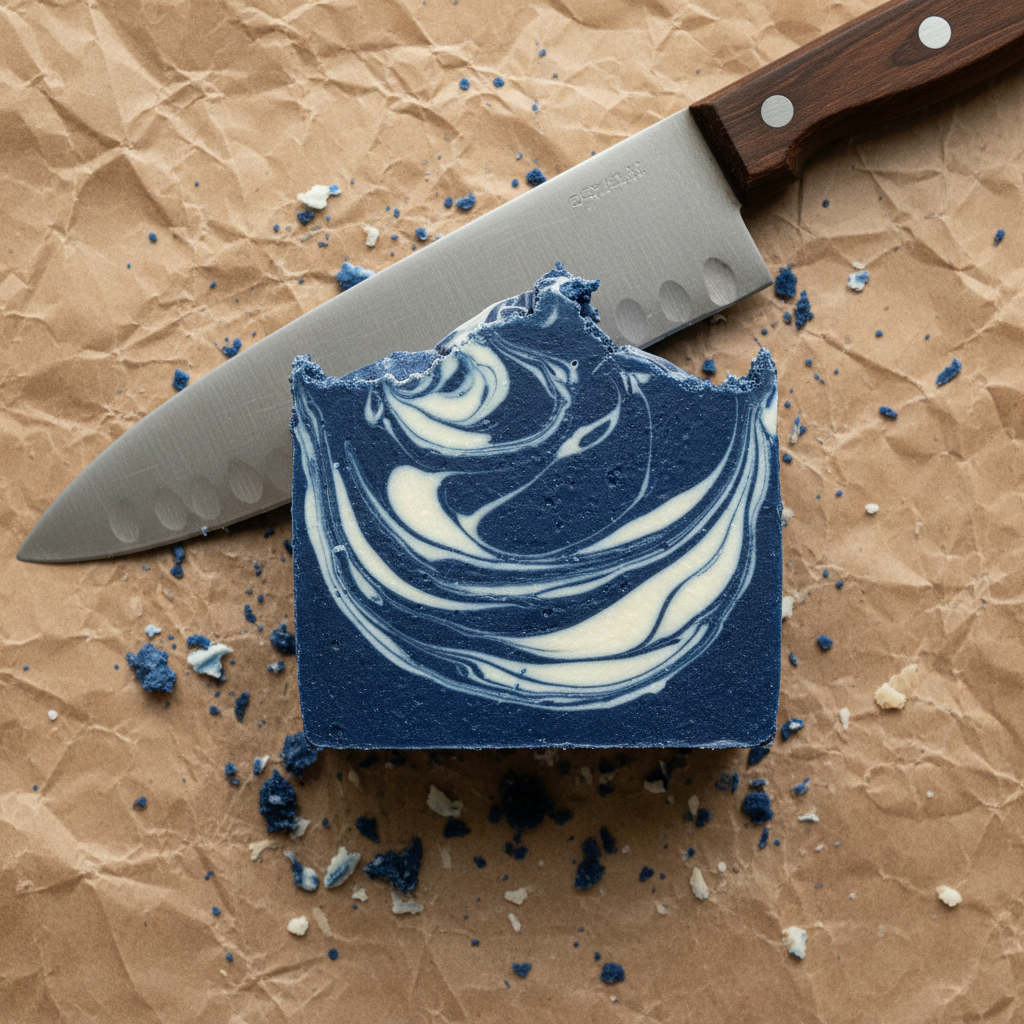
The State of
Handmade Soap
in 2026
What 1,200 makers told us about curing, selling, and staying inspired — the most comprehensive survey of the independent soap community ever published.
The independent soap community is larger, stranger, and more divided than anyone expected.
In late 2025, we surveyed 1,200 active soapmakers across North America, the UK, and Australia — from first-time hobbyists who'd never touched lye to seasoned formulators selling wholesale to boutique hotels. What came back was a portrait of a craft in transition.
Melt-and-pour still dominates the entry point — 68% of makers began there — but the desire to move further runs deep. Cold process is aspirational. And the gap between aspiration and action? That's where most soapers live.
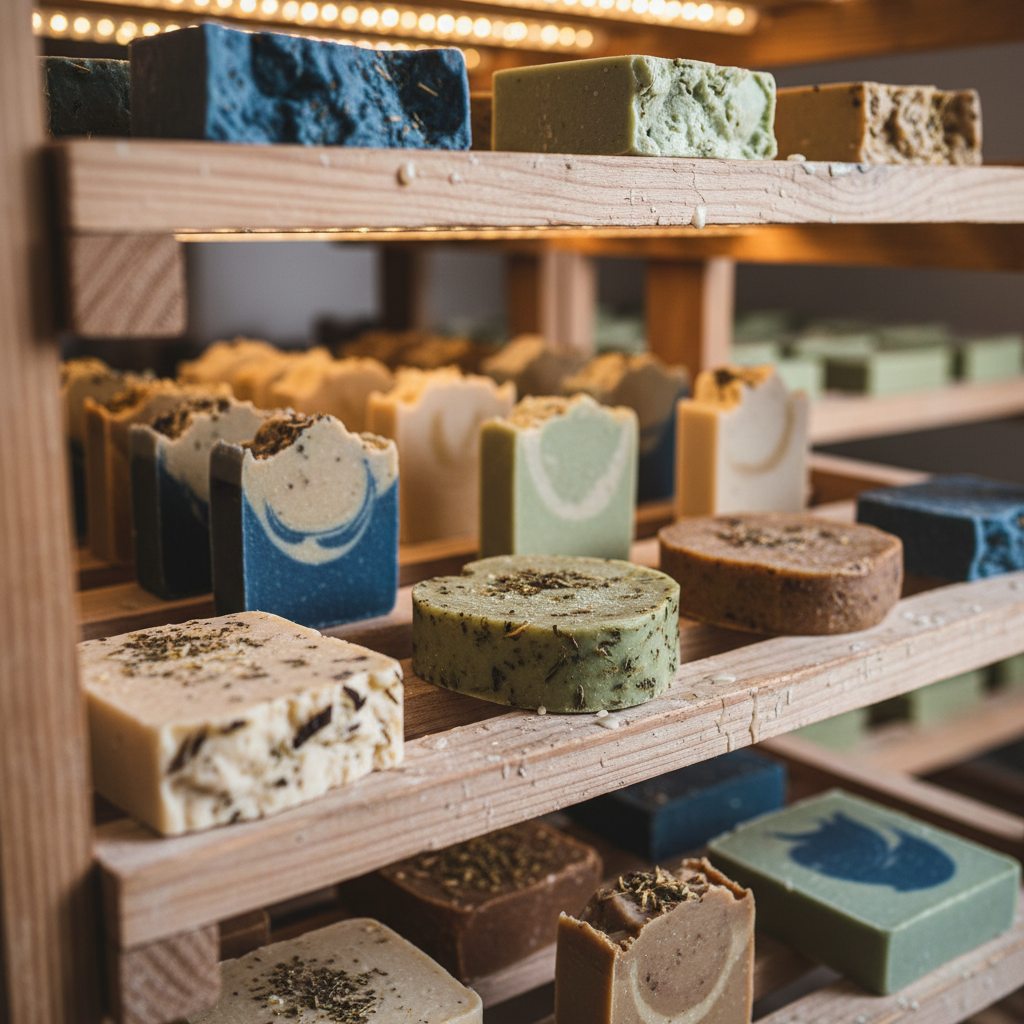
What separates makers who sell out
from makers who give bars away.
Average cure time reported by cold-process makers
"Most hobbyists rush the cure. The bars that sell out at markets — the ones that last, lather thick, condition deeply — those are the bars that sat on the rack for six weeks minimum."— Respondent, 7 years cold-process
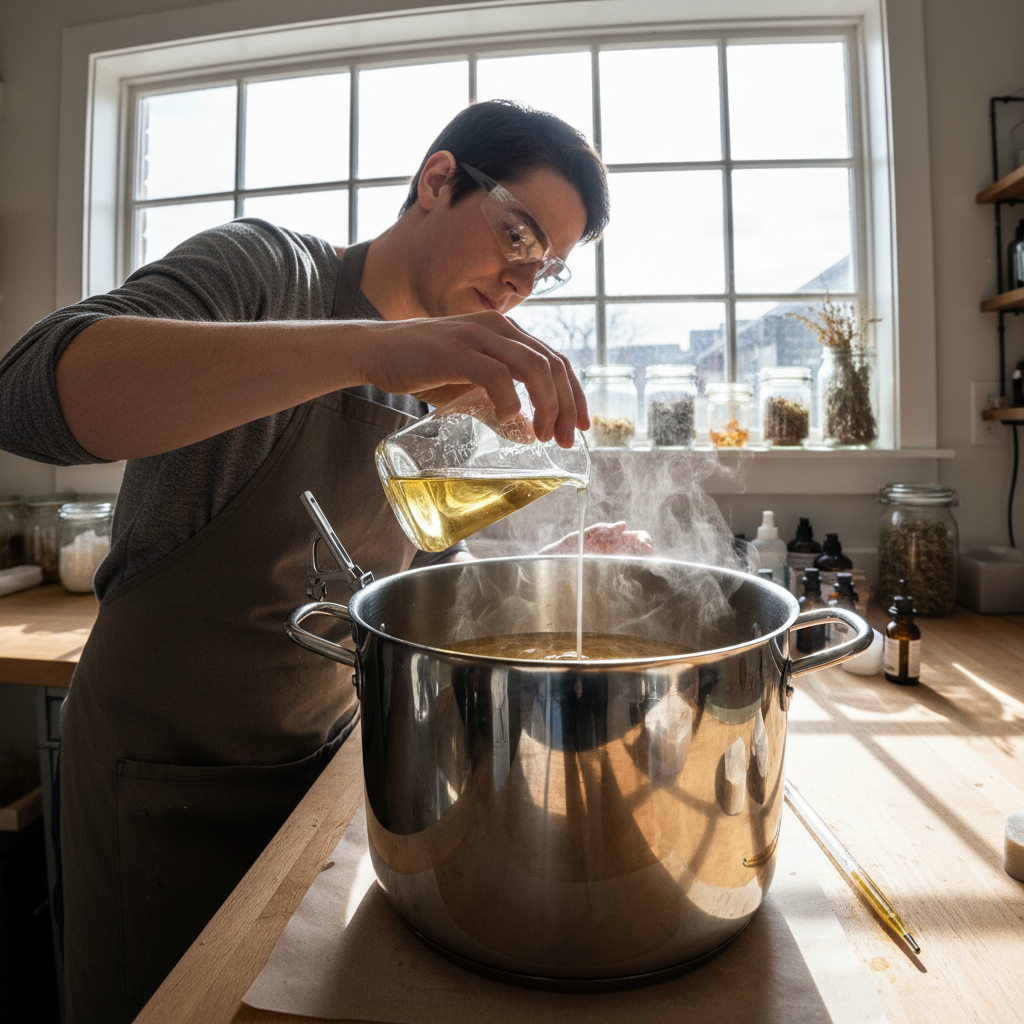
of cold-process makers use olive oil as a base
"Olive oil is the backbone. Everything else is personality. Once you understand what each oil contributes — the hardness, the lather, the conditioning — you stop following recipes and start writing them."— Respondent, formulator + seller
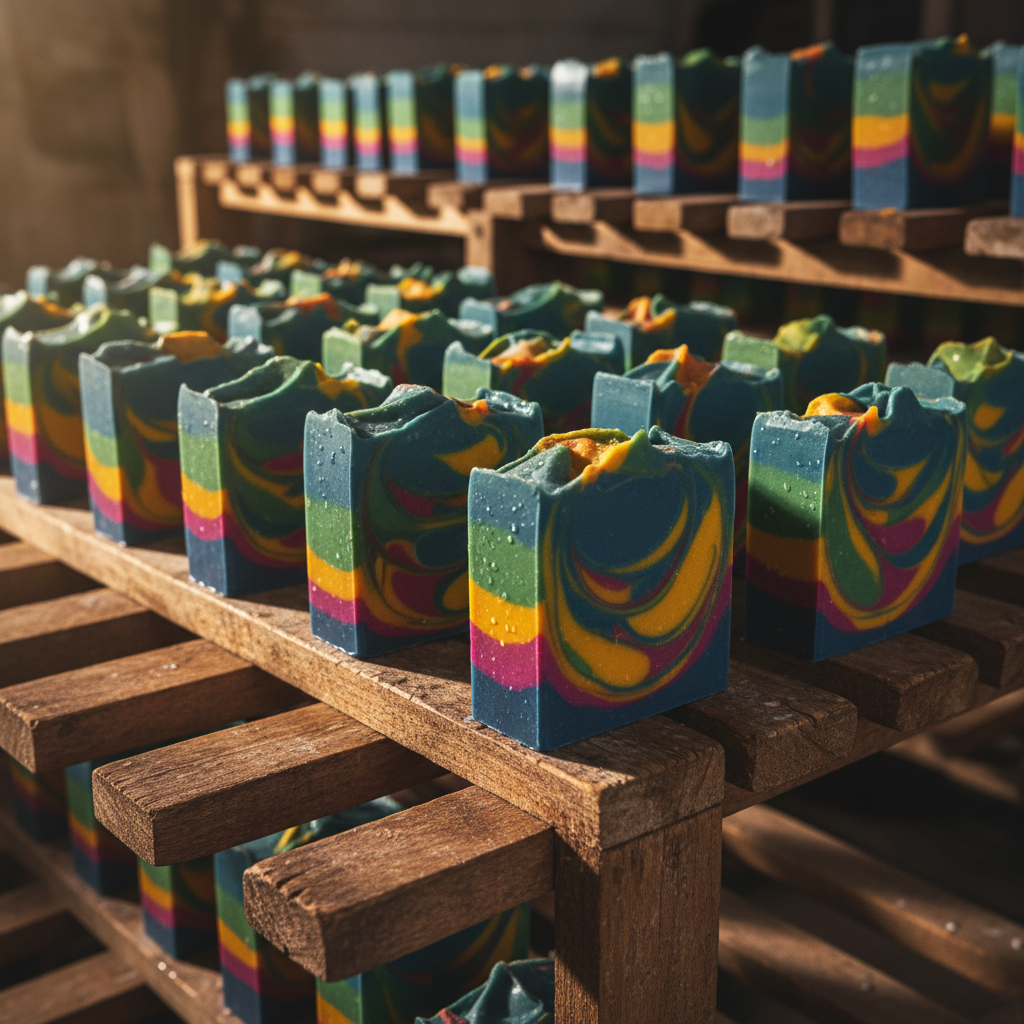
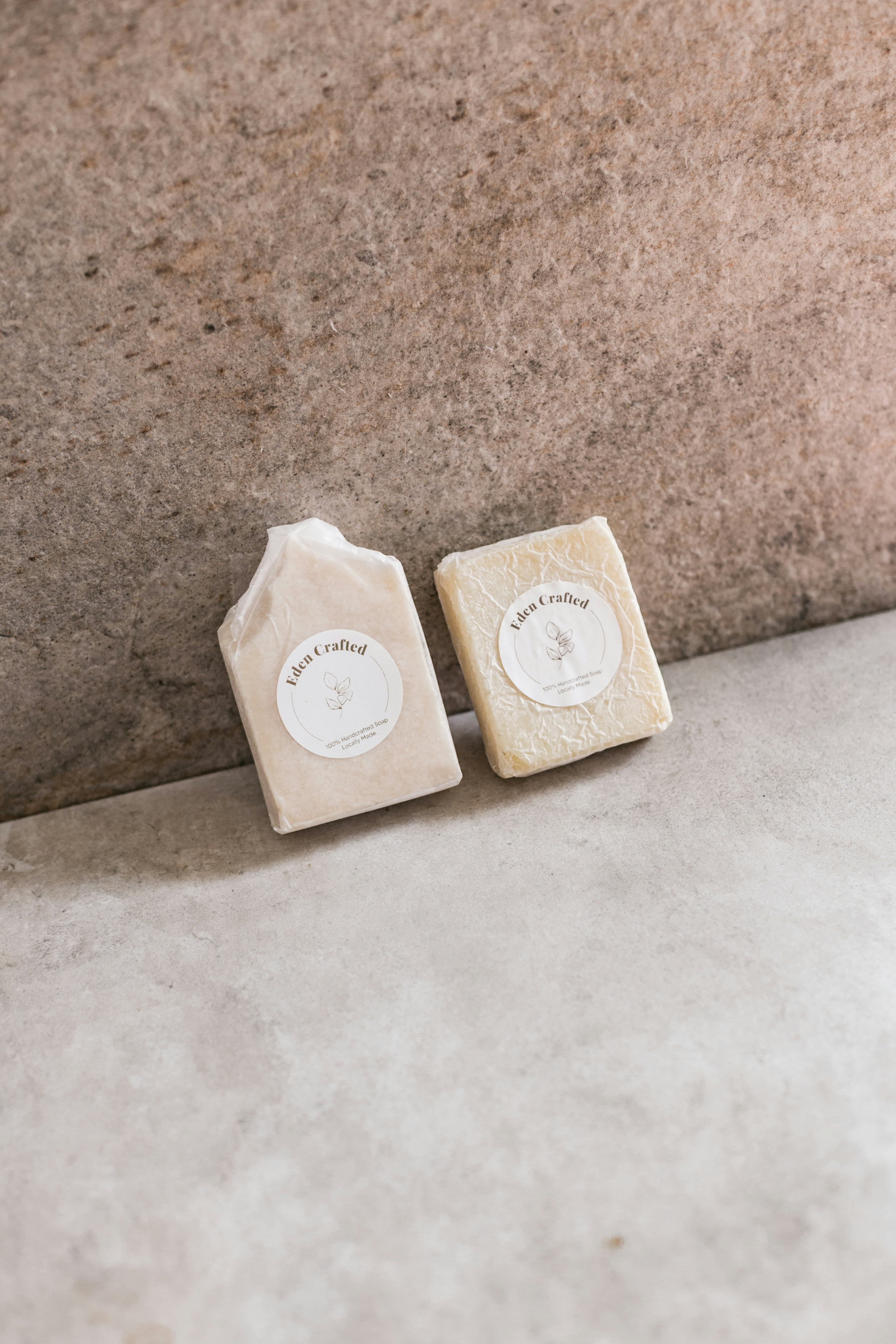
of surveyed makers have sold their bars — but only 11% do so consistently
"The difference between a maker who sells out every batch and one who gives bars away to family? It's not the recipe. It's the cure discipline, the photography, and the willingness to charge what the bar is worth."— Respondent, Etsy top seller
The failure data nobody talks about
Soda ash. Ricing. Seizing. False trace. The survey asked makers to name their most recent cold-process failure, and the results read like a taxonomy of impatience. Forty-one percent cited overheating as the root cause of their last failed batch — temperatures too high when the lye solution met the oils, or a fragrance oil that accelerated trace to the point of no return.
What the data reveals is that most failures cluster in the first eighteen months of cold-process practice. After that threshold, failure rates drop sharply — not because the chemistry changes, but because the maker does. They learn to read trace. They stop using fragrance oils blind. They invest in an infrared thermometer.
The 11% of makers who sell consistently share one trait above all others: they keep a batch journal. Every pour, every temperature, every fragrance load, every cure time — logged. Not because they're obsessive, but because they understand that reproducibility is the product. A bar a customer loves must be a bar you can make again, exactly.
The craft rewards the methodical. It has always rewarded the methodical. What's changed is that the internet has made the impatient visible — and given the methodical a place to document, share, and teach.
Every soaper falls somewhere
on the spectrum.
The survey identified four distinct maker archetypes — not based on skill level, but on motivation, temperament, and ambition. Which one sounds like your inner monologue?
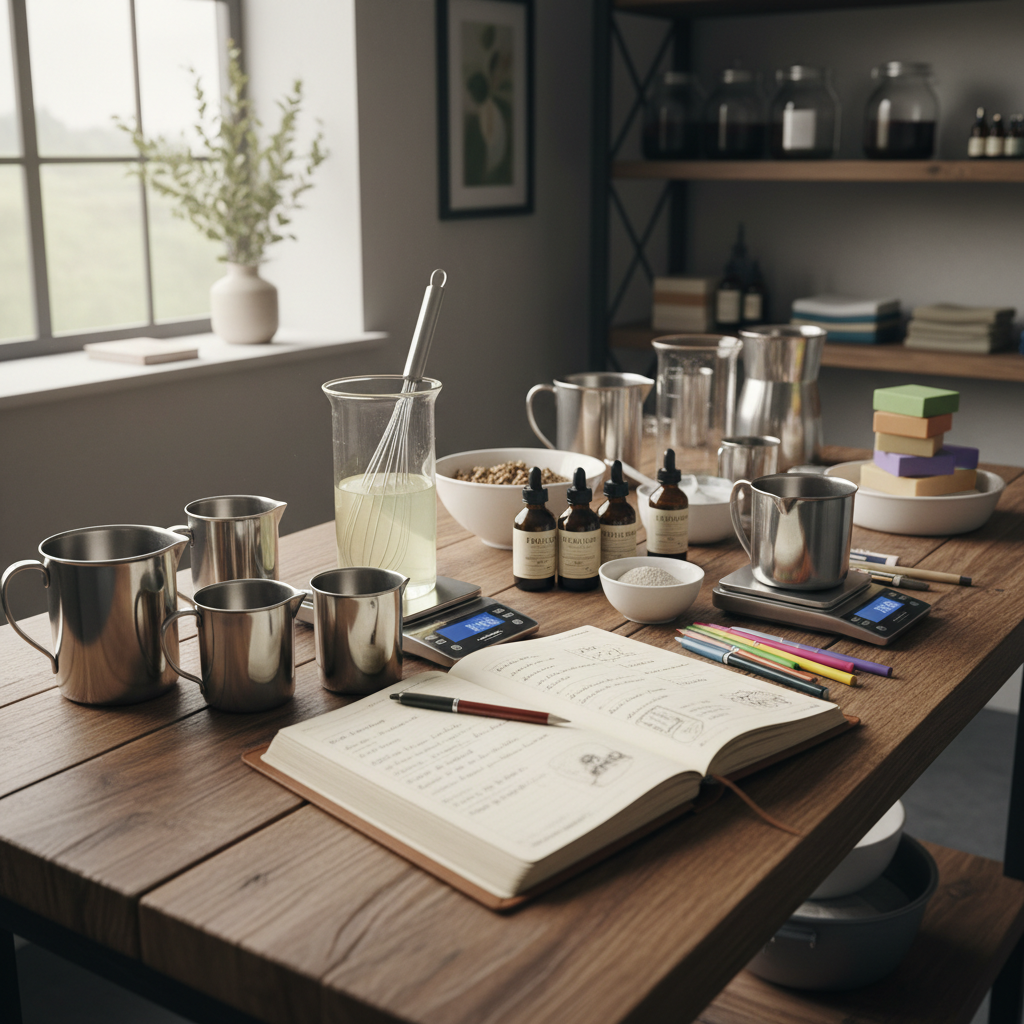
The Methodical Formulator
Patient · Precise
Keeps a batch journal. Runs lye calculations twice. Cures longer than anyone recommends because they understand the chemistry.
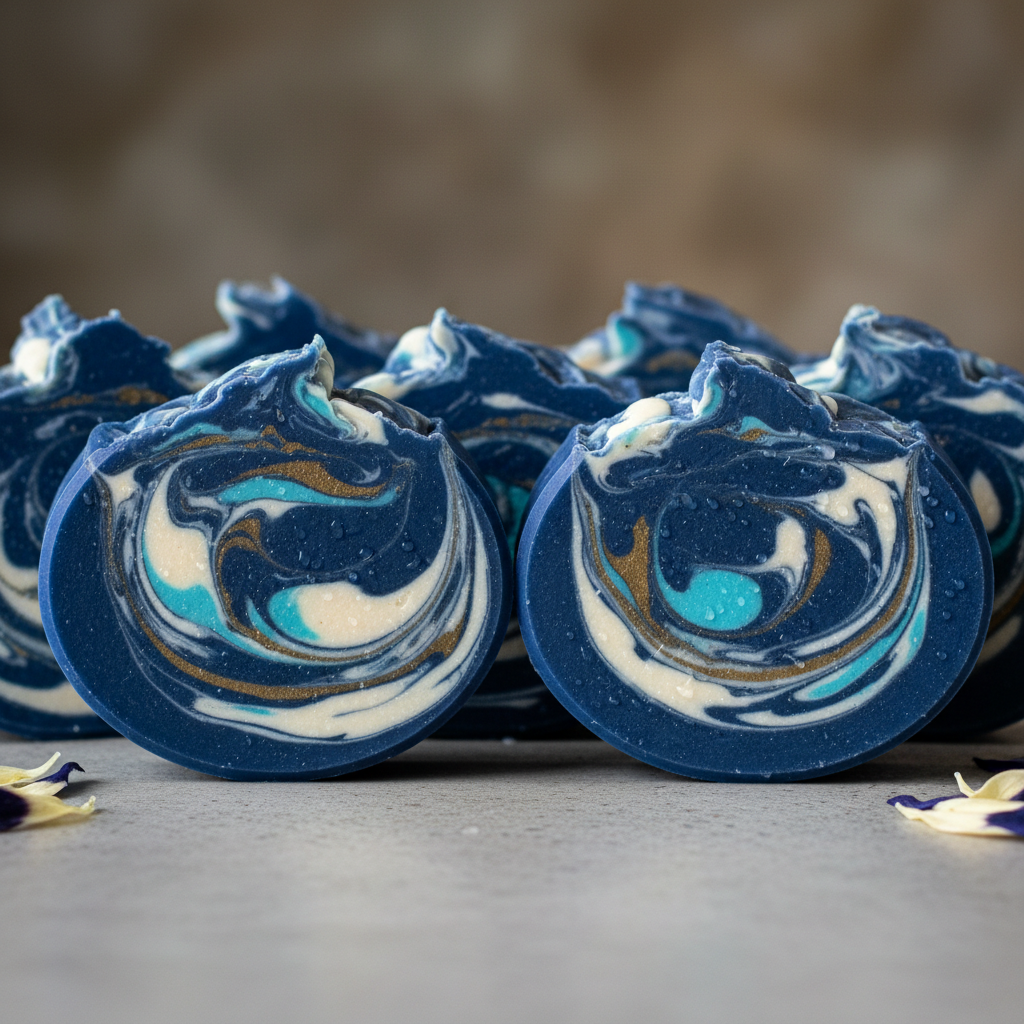
The Visual Alchemist
Artistic · Experimental
Came for the Taiwan swirl, stayed for the colorant sourcing rabbit hole. Every bar is a cross-section worth framing.
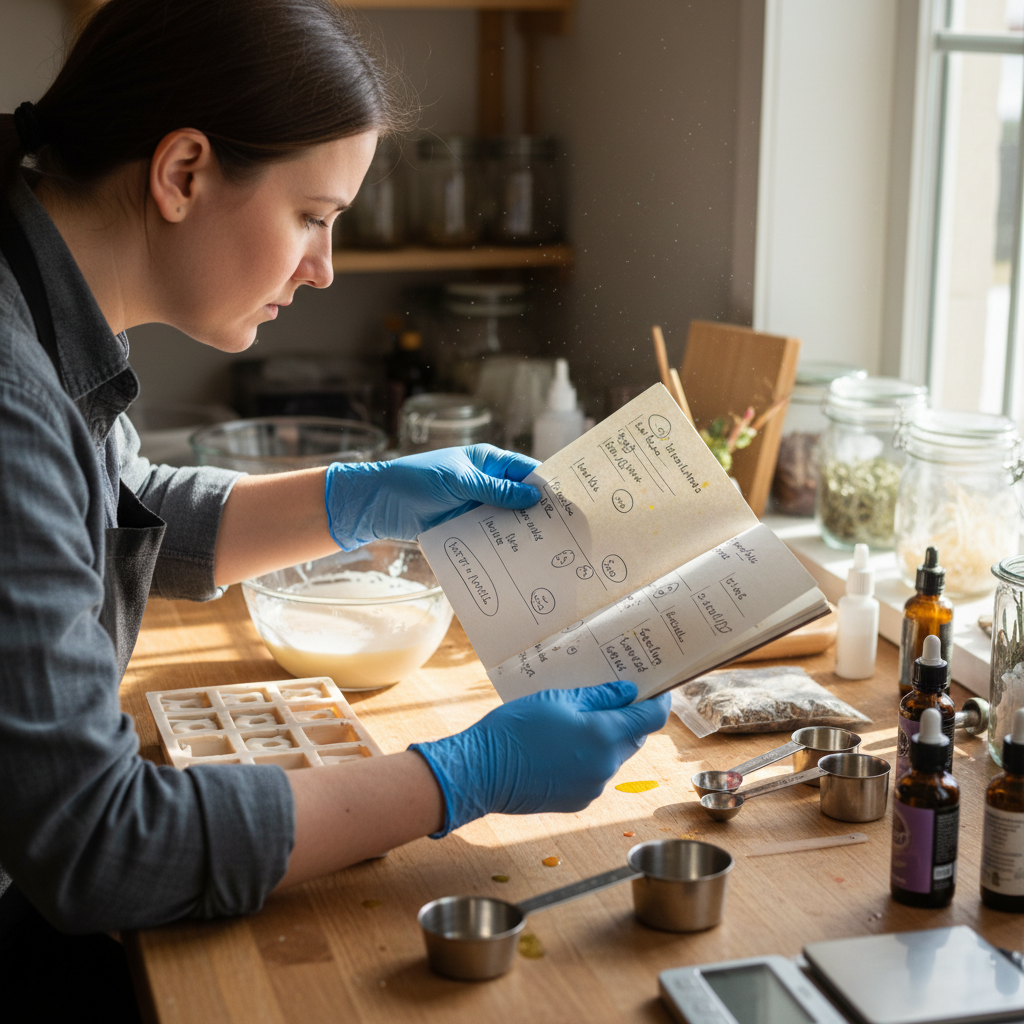
The Careful Beginner
Prepared · Curious
Has the safety goggles. Has the thermometer. Has watched eleven videos. The first batch is closer than it feels.
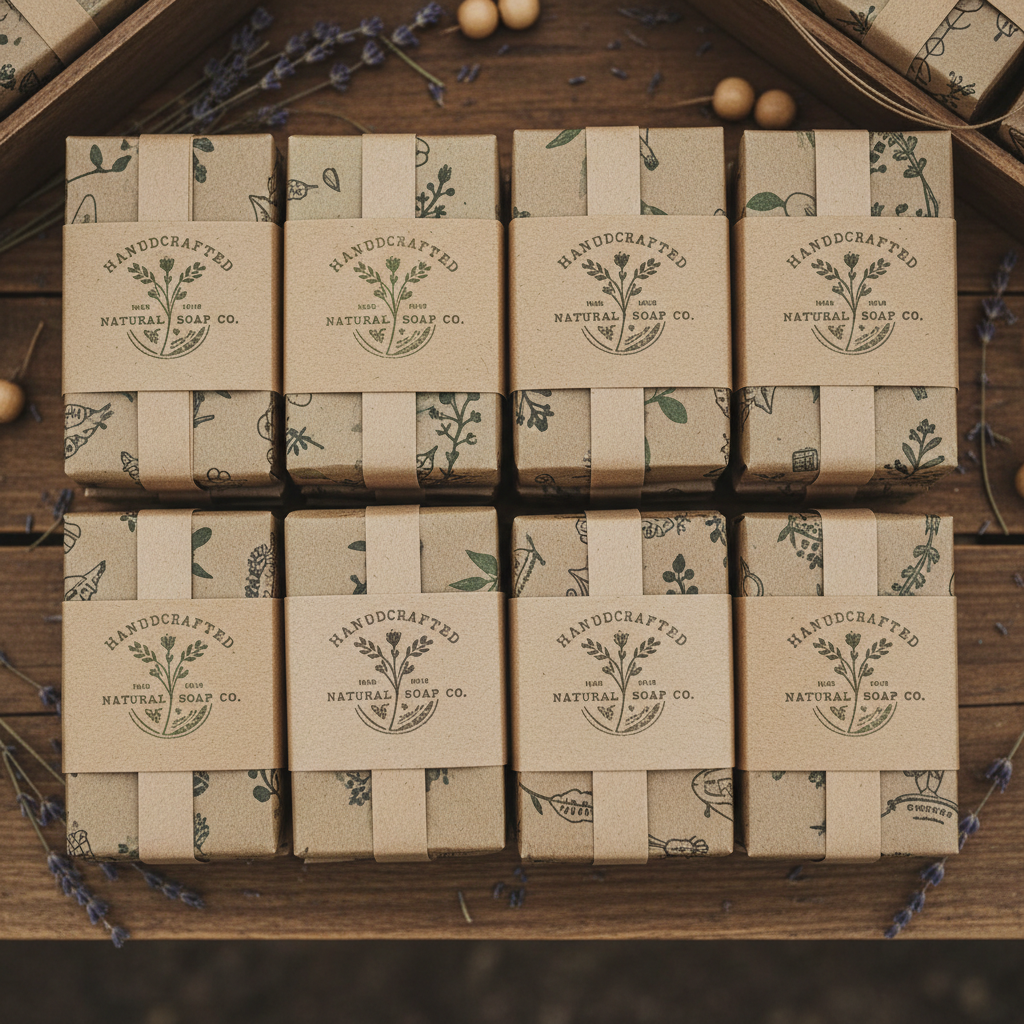
The Market Builder
Strategic · Brand-minded
Every batch decision runs through cost-per-bar and shelf presence. Building something scalable, beautiful, and worth what it costs.
Not sure which one you are?
Take the 5-Question Assessment→Find Your Soaping Style
Five questions. Four maker archetypes. A personalized playlist from the Lather archive and an ingredient starter list built for exactly where you are right now.
Takes about 60 seconds